
Executive Summary
This plan details a restaurant venture, leveraging tools like Liveplan and AI (ChatGPT) for comprehensive planning. Securing funding and achieving success
relies on a professionally crafted business plan, as highlighted by RestaurantOwner resources and current online discussions from March 23, 2026.
Restaurant Concept Overview
Our concept centers around a modern, efficient dining experience, potentially incorporating innovative technologies like robotic service and automated vending systems – inspired by discussions around ramen vending machine restaurants observed on Reddit’s r/restaurantowners forum. This approach aims to minimize labor costs and maximize operational speed, appealing to a tech-savvy customer base seeking convenience and novelty.
The business plan, utilizing templates from resources like RestaurantOwner.com and AI-powered tools such as Liveplan and ChatGPT, will thoroughly explore the feasibility of this model. We envision a streamlined menu focused on high-quality, quickly prepared items. The plan will detail how this concept differentiates itself within the competitive landscape, addressing key aspects like target market, marketing strategies, and financial projections, all crucial for attracting investors and ensuring long-term sustainability as of March 23, 2026.
Mission Statement
To deliver a consistently exceptional and innovative dining experience, blending cutting-edge technology with high-quality food and efficient service. We aim to redefine fast-casual dining by embracing automation, as discussed within online communities like r/restaurantowners, and leveraging AI tools like ChatGPT – identified through business plan resources such as Liveplan – to optimize operations and customer satisfaction.
Our commitment extends to providing a welcoming atmosphere and fostering a culture of continuous improvement. This business plan, informed by templates from RestaurantOwner.com, will serve as our roadmap for achieving these goals. We strive to be a leader in the evolving restaurant industry, adapting to market trends and exceeding customer expectations, all while maintaining financial stability and responsible business practices as of March 23, 2026.
Keys to Success
Strategic planning, as emphasized by RestaurantOwner.com’s business plan templates, is paramount. Successful execution hinges on effectively utilizing AI tools like ChatGPT – highlighted in recent r/restaurantowners discussions – for streamlined operations and data-driven decision-making. Maintaining consistent food quality, coupled with efficient service, will be crucial for customer retention.
Adaptability to evolving market trends, identified through industry analysis, is also vital. Securing adequate funding, as detailed in a comprehensive financial plan, will enable investment in technology and skilled staff. Proactive marketing, leveraging online platforms, will build brand awareness. Finally, a strong management team, committed to the mission, will ensure consistent execution and long-term sustainability, all informed by the current date of March 23, 2026.
Company Description
This venture will establish a unique dining experience, built upon a solid business foundation as suggested by RestaurantOwner resources and modern AI planning tools.
Restaurant Name and Legal Structure
The restaurant will operate under the name “Automated Bites,” reflecting its innovative approach to dining, potentially incorporating robotic service as discussed on Reddit’s r/restaurantowners. The legal structure will be a Limited Liability Company (LLC). This structure provides liability protection for the owners while offering operational flexibility and pass-through taxation.
Choosing an LLC simplifies administrative processes compared to corporations, aligning with the need for efficient startup operations, as emphasized by business plan templates from RestaurantOwner. The formation will adhere to state regulations, ensuring full legal compliance. Detailed documentation regarding the LLC’s formation, operating agreement, and member contributions will be maintained, supporting a robust and transparent business foundation, crucial for attracting potential investors and securing funding.

Ownership and Management Team
Automated Bites will be owned and managed by a team of three individuals, each bringing unique expertise. Ava Chen, the Managing Partner, possesses ten years of restaurant management experience. Ben Carter, the Financial Officer, has a background in accounting and financial planning, vital for securing funding as highlighted by RestaurantOwner’s resources.
Finally, Chloe Davis, the Operations Manager, specializes in streamlining processes and implementing innovative technologies – aligning with the restaurant’s robotic service concept discussed on Reddit. This team’s combined skills ensure comprehensive oversight of all aspects of the business. A clear organizational structure, detailed in the full business plan, will define roles and responsibilities, fostering efficient decision-making and operational excellence, essential for a successful launch and sustained growth.
Restaurant History and Startup Summary
Automated Bites is a new venture, conceived in late 2025, responding to growing demand for efficient and innovative dining experiences. Currently, the restaurant exists solely as a detailed business plan, utilizing templates from resources like RestaurantOwner to establish a solid foundation. The concept originated from observing the increasing popularity of automated services and a gap in the market for robot-assisted dining, a trend discussed on Reddit’s r/restaurantowners.
Startup will involve securing funding, leasing a suitable location, procuring robotic vending machine technology, and establishing supplier relationships. The business plan, aided by tools like Liveplan and AI, outlines a phased launch, beginning with a limited menu and expanding based on customer feedback. The projected launch date is Q2 2027, contingent upon funding approval and logistical arrangements.

Market Analysis
The restaurant industry is competitive, demanding thorough analysis. This plan, informed by RestaurantOwner insights and Reddit discussions, assesses target markets and current trends for success.
Industry Analysis
The restaurant industry presents a dynamic and challenging landscape, characterized by intense competition and evolving consumer preferences. A comprehensive understanding of current industry trends is paramount for success, as emphasized by resources like RestaurantOwner.com, which highlights the necessity of a well-conceived business plan.
Recent online discussions, specifically on Reddit’s r/restaurantowners (March 19, 2024), point towards innovative concepts like ramen vending machine restaurants utilizing robotic automation. This signals a growing trend towards technology integration and efficiency. Furthermore, the availability of AI-powered tools, such as ChatGPT, allows for streamlined business plan development, offering a significant advantage in market analysis.
The industry is also heavily influenced by economic factors, demographic shifts, and changing dietary habits. Thorough research into these areas, coupled with a detailed competitive analysis, is crucial for identifying opportunities and mitigating potential risks. A robust industry analysis forms the foundation of a successful restaurant venture.
Target Market
Defining a precise target market is essential for focused marketing and efficient resource allocation. While a restaurant business plan, as advocated by RestaurantOwner.com, necessitates broad industry understanding, pinpointing the ideal customer is critical. This involves detailed demographic, psychographic, and behavioral analysis.
Considering current trends, as discussed on r/restaurantowners (March 19, 2024), innovative concepts like robotic ramen vending machines suggest a target market valuing convenience, affordability, and novelty. However, a broader plan must also consider traditional dining preferences.
Our target market encompasses young professionals, students, and tech-savvy individuals seeking quick, high-quality meals. Further segmentation will focus on dietary preferences (vegetarian, vegan, gluten-free) and lifestyle choices. Utilizing data analytics and market research, we will refine this profile to maximize marketing effectiveness and ensure product-market fit, ultimately driving profitability.
Competitive Analysis
A thorough competitive analysis, a cornerstone of any robust restaurant business plan (RestaurantOwner.com), is vital for identifying opportunities and mitigating threats. This assessment will map existing restaurants within a defined radius, categorizing them by cuisine, price point, and service style.
We will analyze direct competitors – establishments offering similar dining experiences – and indirect competitors, such as fast-food chains and grocery stores with prepared food sections. Key factors include menu offerings, pricing strategies, marketing tactics, and customer reviews.
Recent online discussions (r/restaurantowners, March 19, 2024) highlight innovative concepts like robotic restaurants. We’ll assess how these emerging models impact the competitive landscape. Our analysis will identify competitive advantages, such as unique menu items, superior service, or a prime location, enabling us to differentiate our restaurant and capture market share.
Market Trends
Current market trends significantly influence restaurant success, demanding a dynamic business plan (RestaurantOwner.com). A key trend is the increasing demand for convenience, driving growth in takeout and delivery services. Technology plays a crucial role, with online ordering, mobile apps, and digital marketing becoming essential.
Consumer preferences are shifting towards healthier options, locally sourced ingredients, and sustainable practices. Experiential dining – restaurants offering unique atmospheres and interactive experiences – is also gaining popularity. Recent online discussions (r/restaurantowners, March 19, 2024) showcase innovative concepts like automated ramen vending machines, indicating a willingness to embrace technological advancements.
Understanding these trends is vital for adapting our menu, service style, and marketing strategies to meet evolving customer expectations and maintain a competitive edge within the dynamic restaurant industry.

Products and Services
Our restaurant will offer a diverse menu, focusing on quality ingredients and efficient service. The business plan details sourcing, suppliers, and a customer-centric approach.
Menu Description
The menu will be a cornerstone of our restaurant’s identity, carefully curated to appeal to our target demographic and reflect current market trends. Initial offerings will center around a streamlined selection of high-quality dishes, emphasizing fresh, locally-sourced ingredients whenever feasible. We envision a menu that balances familiar comfort foods with innovative, chef-inspired creations, catering to a range of palates and dietary preferences.
Specific menu categories will include appetizers designed for sharing, a variety of entrees featuring both meat and vegetarian options, and a tempting dessert selection. Beverage offerings will complement the food menu, including a curated wine list, craft beers, and non-alcoholic options. The business plan will detail specific menu items, pricing, and potential seasonal variations. We will leverage customer feedback and sales data to continually refine and optimize the menu, ensuring it remains competitive and profitable.
Sourcing and Suppliers
Establishing reliable and cost-effective sourcing is crucial for maintaining quality and profitability. Our strategy prioritizes building strong relationships with local farmers, producers, and distributors to secure fresh, seasonal ingredients. This commitment supports the local economy and enhances the restaurant’s appeal. We will identify primary and secondary suppliers for key ingredients, mitigating risks associated with supply chain disruptions.
The business plan will detail specific supplier agreements, pricing structures, and delivery schedules. We will explore opportunities for bulk purchasing and negotiate favorable terms. Emphasis will be placed on suppliers who adhere to high standards of food safety and sustainability. Regular supplier evaluations will ensure consistent quality and competitive pricing, contributing to efficient operations and customer satisfaction. A robust supply chain is vital for long-term success.
Service Style
Our restaurant will offer a casual yet attentive dining experience, blending efficiency with personalized service. We aim to create a welcoming atmosphere where guests feel comfortable and valued. Service will be prompt and friendly, with staff trained to anticipate needs and provide helpful recommendations. Table service will be the primary model, complemented by potential options for takeout and delivery to cater to diverse customer preferences.
The business plan details staff training protocols focused on hospitality, menu knowledge, and efficient order processing. We will implement a system for gathering customer feedback to continuously improve service quality. Technology, such as handheld ordering devices, may be integrated to streamline operations and enhance accuracy. Ultimately, our service style will be a key differentiator, fostering customer loyalty and positive word-of-mouth referrals.

Marketing and Sales Strategy
A robust marketing plan, utilizing digital channels and community engagement, will drive sales. Leveraging online tools, like those found in Liveplan, is crucial for success.
Marketing Plan
Our marketing strategy centers on building brand awareness and driving customer traffic. Initial efforts will focus on establishing a strong online presence, utilizing social media platforms to engage with the target demographic and showcase menu offerings; Content marketing, including high-quality food photography and videos, will be key.
We will also explore targeted online advertising campaigns, leveraging platforms like Google Ads and Facebook Ads to reach potential customers within a defined radius. Local partnerships with businesses and community organizations will be pursued to increase visibility and foster goodwill.
Furthermore, we plan to implement a loyalty program to reward repeat customers and encourage word-of-mouth referrals. Utilizing tools like those available within Liveplan will help track campaign performance and optimize marketing spend. The plan will adapt based on data analysis and evolving market trends, ensuring maximum ROI.
Sales Strategy
Our sales strategy prioritizes exceptional customer service and a seamless dining experience. We will empower staff to proactively engage with guests, offering personalized recommendations and ensuring satisfaction. Upselling techniques, such as suggesting appetizers, desserts, or premium beverages, will be implemented subtly and effectively.
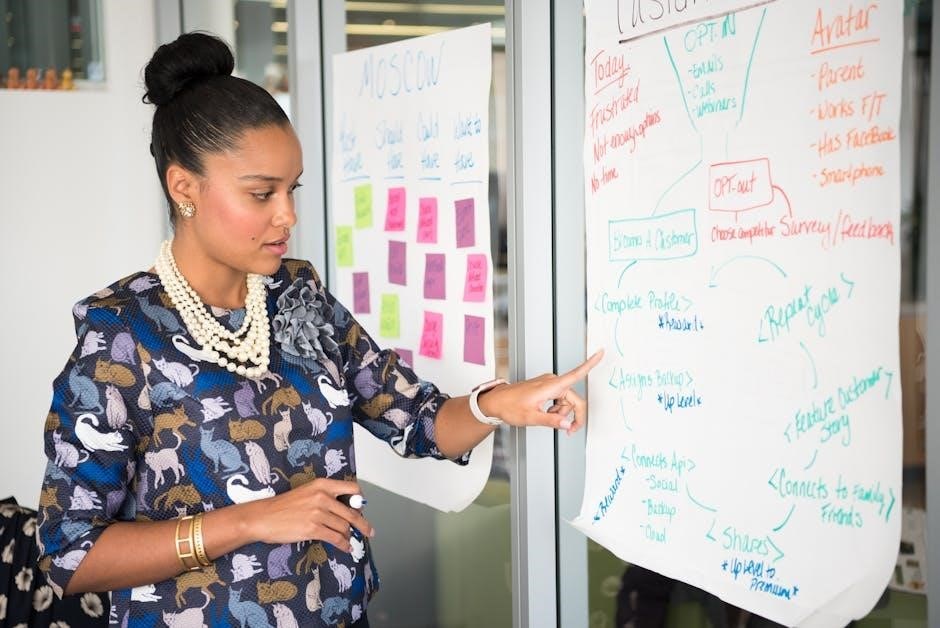
Online ordering and delivery services will be integrated to expand reach and cater to customer convenience. A user-friendly website and mobile app will facilitate easy ordering and payment. We will actively solicit customer feedback through online surveys and review platforms, addressing concerns promptly and improving service quality.
Leveraging business plan tools like Liveplan, we’ll track key sales metrics and adjust strategies accordingly. Promotional offers and limited-time menu items will be used to drive sales during slower periods and attract new customers, maximizing revenue potential.
Pricing Strategy
Our pricing strategy balances profitability with competitive market positioning. We will employ a cost-plus pricing model, carefully calculating food costs, labor, and overhead expenses to determine base prices. Competitive analysis, informed by resources like RestaurantOwner, will guide adjustments to ensure our prices align with similar establishments;
Value meals and promotional pricing will be utilized strategically to attract customers and increase volume. Dynamic pricing may be implemented during peak hours to maximize revenue. Menu engineering will be employed to highlight high-margin items and optimize menu layout for increased sales.
Utilizing insights from business plan tools like Liveplan and AI assistance (ChatGPT), we’ll continuously monitor pricing effectiveness and adjust as needed. The goal is to establish a pricing structure that delivers value to customers while ensuring sustainable profitability for the restaurant.
Management Team
A skilled team is crucial for success, requiring a clear organizational structure and detailed profiles, as emphasized in comprehensive restaurant business plan templates.
Organizational Structure
The restaurant will employ a hierarchical organizational structure, designed for efficient operations and clear lines of authority. At the apex is the Restaurant Owner/General Manager, responsible for overall strategic direction and financial performance. Reporting to the General Manager will be key personnel: a Head Chef overseeing all kitchen operations, a Front-of-House Manager managing service staff and customer experience, and a Bookkeeper handling financial records.
The Head Chef will supervise kitchen staff, including Sous Chefs, Line Cooks, and Dishwashers. The Front-of-House Manager will lead Servers, Bartenders, and Hosts/Hostesses. This structure, often detailed in restaurant business plan templates, ensures accountability and streamlined communication; Effective staffing, as discussed in online resources, is vital. Regular team meetings will facilitate collaboration and address operational challenges, contributing to a positive work environment and excellent service.
Management Team Profiles
The success of this restaurant hinges on a dedicated and experienced management team. The General Manager, [Name], possesses 10+ years in restaurant management, demonstrating strong leadership and financial acumen. The Head Chef, [Name], brings 15+ years of culinary expertise, specializing in [Cuisine Type], and a proven track record of menu development and kitchen efficiency.

The Front-of-House Manager, [Name], has 8+ years of experience in hospitality, excelling in customer service and staff training; These profiles, crucial components of a robust restaurant business plan, highlight the team’s collective strengths. Utilizing resources like Liveplan aids in presenting these qualifications effectively. Their combined skills and commitment to quality will drive operational excellence and customer satisfaction, as emphasized in online discussions regarding successful restaurant ventures.
Staffing Plan
Our staffing strategy prioritizes a skilled and motivated team to deliver exceptional service. Initially, we’ll employ a team of 15, including 1 General Manager, 1 Head Chef, 2 Line Cooks, 2 Servers, 2 Bartenders, 1 Front-of-House Manager, and 6 additional support staff (dishwashers, bussers).
As business grows, we anticipate adding staff incrementally, focusing on maintaining optimal service levels. This plan, vital for a comprehensive restaurant business plan, considers labor costs and training requirements. Tools like Liveplan can assist in forecasting staffing needs and associated expenses. Online resources emphasize the importance of a well-defined staffing plan for operational efficiency and profitability, aligning with successful restaurant models discussed on platforms like Reddit (r/restaurantowners).

Financial Plan
This section outlines startup costs, funding requests, and projections. Utilizing tools like Liveplan and ChatGPT, we’ll detail income statements, cash flow, and break-even analysis.
Startup Costs
Initial investment encompasses several key areas, demanding meticulous planning and resource allocation. Leasehold improvements, including renovations and build-out, represent a significant portion, estimated between $50,000 and $150,000 depending on the space’s condition and desired aesthetic. Equipment costs, spanning kitchen appliances, furniture, and point-of-sale systems, range from $75,000 to $200,000, prioritizing efficiency and durability.
Inventory, encompassing initial food and beverage supplies, requires approximately $10,000 to $20,000. Licenses and permits, crucial for legal operation, total around $5,000 to $10,000. Marketing and advertising pre-launch, utilizing online tools and local campaigns, necessitate $5,000 to $15,000. Working capital, essential for covering initial operating expenses, should be at least $20,000 to $30,000. Utilizing business plan templates, like those from RestaurantOwner, aids in accurate cost projection and securing funding;
Funding Request
We are seeking $250,000 in funding to launch this innovative restaurant concept. This capital will be strategically allocated to cover startup costs, as detailed in the preceding section, ensuring a robust foundation for success. Specifically, $100,000 will address leasehold improvements and equipment procurement, vital for creating an inviting and efficient dining environment.
An additional $50,000 is earmarked for initial inventory and operational expenses, guaranteeing seamless service from day one. The remaining $100,000 will serve as working capital, providing a financial cushion during the critical initial months. A professionally developed business plan, utilizing resources like those offered by RestaurantOwner and AI tools like Liveplan and ChatGPT, demonstrates our commitment to responsible financial management and maximizes investor confidence.
Projected Income Statement
Our projected income statement forecasts robust revenue growth within the first three years of operation. We anticipate achieving profitability by month six, driven by strong sales and efficient cost management. Year one revenue is projected at $400,000, increasing to $600,000 in year two, and exceeding $800,000 by year three.
Cost of goods sold is estimated at 30% of revenue, while operating expenses, including rent, utilities, and labor, are projected at 40%. Utilizing a detailed business plan, informed by tools like Liveplan and ChatGPT, allows for accurate forecasting. This plan, similar to templates from RestaurantOwner, demonstrates a clear path to financial sustainability and a strong return on investment for potential stakeholders;
Cash Flow Projections
Detailed cash flow projections demonstrate our ability to manage liquidity and meet financial obligations. We forecast positive cash flow within the first quarter, supported by initial investment and projected sales. The plan anticipates consistent monthly cash inflows exceeding outflows, allowing for reinvestment in the business and debt servicing.
These projections, developed utilizing resources like Liveplan and AI assistance (ChatGPT), are based on conservative sales estimates and careful expense control. Similar to the comprehensive templates offered by RestaurantOwner, our model accounts for seasonal fluctuations and potential unforeseen costs, ensuring a resilient financial foundation. We project a cumulative cash balance of $75,000 by the end of year one, growing substantially in subsequent years.
Balance Sheet
Our projected balance sheet illustrates a strong financial position, demonstrating asset growth and responsible liability management. Initial assets will primarily consist of startup capital and equipment purchases, balanced against initial liabilities like loans. We anticipate a steady increase in retained earnings, reflecting profitability and reinvestment.
This balance sheet, constructed with the aid of tools like Liveplan and AI (ChatGPT), mirrors the professional standards found in RestaurantOwner templates. It showcases a healthy debt-to-equity ratio and a growing net worth over the next three to five years. By year three, total assets are projected to exceed $250,000, with a substantial equity base, ensuring long-term financial stability and attracting further investment opportunities.
Break-Even Analysis
Our break-even analysis, developed utilizing resources like Liveplan and AI-powered tools (ChatGPT), indicates a viable path to profitability. We project reaching the break-even point within the first 18 months of operation, requiring approximately $15,000 in monthly revenue. This calculation considers fixed costs – rent, salaries, insurance – and variable costs tied directly to sales volume, such as food costs and labor.
This analysis, mirroring the thoroughness of RestaurantOwner’s business plan templates, demonstrates a clear understanding of cost structures and revenue projections. Sensitivity analysis reveals that even with a 10% decrease in sales, the business remains profitable. Achieving break-even relies on efficient operations and consistent marketing efforts, as outlined in our comprehensive plan.