The evolution of transmissions‚ from manual to automatic‚ has been significant‚ yet modern automatics offer a surprising twist – manual control options.
Koenigsegg’s innovative gearboxes‚ like the Light Speed Transmission (LST)‚ demonstrate that automated manuals can provide enhanced driver engagement and performance.
This article explores the technology behind manually shifting automatics‚ the benefits of learning this skill‚ and the future of transmission technology.
What is an Automatic Transmission?
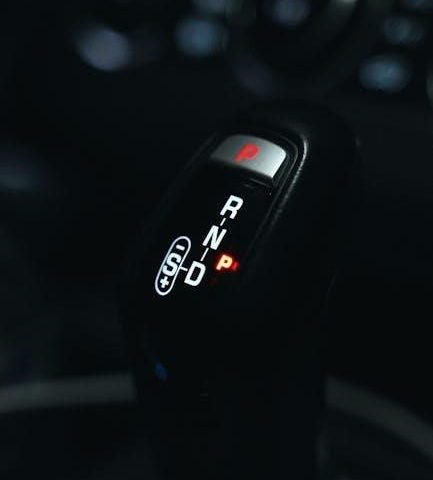
Automatic transmissions are designed for simplicity and ease of use‚ handling gear changes without direct driver input. Most drivers are familiar with the standard settings – P for Park‚ R for Reverse‚ N for Neutral‚ and D for Drive – allowing for a seamless driving experience.
Unlike manual transmissions‚ which require the driver to operate a clutch and select gears‚ automatics utilize a torque converter and planetary gearsets to automatically shift between gears based on vehicle speed and engine load. This system eliminates the need for constant driver intervention‚ reducing fatigue and simplifying the driving process.
However‚ the core function remains the same: transferring power from the engine to the wheels. Despite their convenience‚ modern automatics are increasingly incorporating features that allow drivers to override the automatic shifting and take manual control‚ blurring the lines between traditional automatic and manual transmissions. This evolution is exemplified by Koenigsegg’s advancements.
The Rise of Automated Manual Transmissions
Despite the predicted decline of manual transmissions due to electrification and autonomous technologies‚ a fascinating development has emerged: automated manual transmissions. These systems combine the efficiency of a manual gearbox with the convenience of automatic operation‚ offering a unique driving experience.
Koenigsegg’s Light Speed Transmission (LST) exemplifies this trend‚ initially featuring paddle shifters for gear selection. However‚ the CC850 took this further‚ introducing a gated shifter reminiscent of classic manual cars‚ but controlling an automated system. This demonstrates a desire for driver engagement even within automated systems.
This rise reflects a growing demand for control and connection to the driving experience‚ even as technology advances. It’s a response to concerns that fully automated systems might remove too much driver involvement‚ offering a compelling alternative for enthusiasts.
Understanding the Technology
Modern automated systems‚ like Koenigsegg’s LST and the CC850’s unique gearbox‚ blur the lines between traditional manual and automatic transmissions‚ offering innovative control.
Koenigsegg’s Light Speed Transmission (LST)
The Koenigsegg Light Speed Transmission (LST) represents a significant leap forward in transmission technology‚ initially featured in the Jesko model. This isn’t a conventional automatic; it’s a nine-speed automated manual transmission designed for incredibly rapid gear changes.
Unlike traditional dual-clutch transmissions‚ the LST utilizes a unique multi-shaft design. This allows for predictive gear selection‚ meaning the transmission anticipates the driver’s needs and pre-selects the next gear. This results in near-instantaneous shifts‚ minimizing power interruption and maximizing acceleration.
The LST’s operation is typically controlled via steering wheel-mounted paddles‚ allowing the driver to manually select gears. However‚ Koenigsegg has demonstrated the potential for alternative control methods‚ as seen in the CC850‚ showcasing the versatility of this advanced system.
It’s emblematic of Koenigsegg’s commitment to pushing the boundaries of automotive performance.
The CC850 Gearbox: A Unique Approach
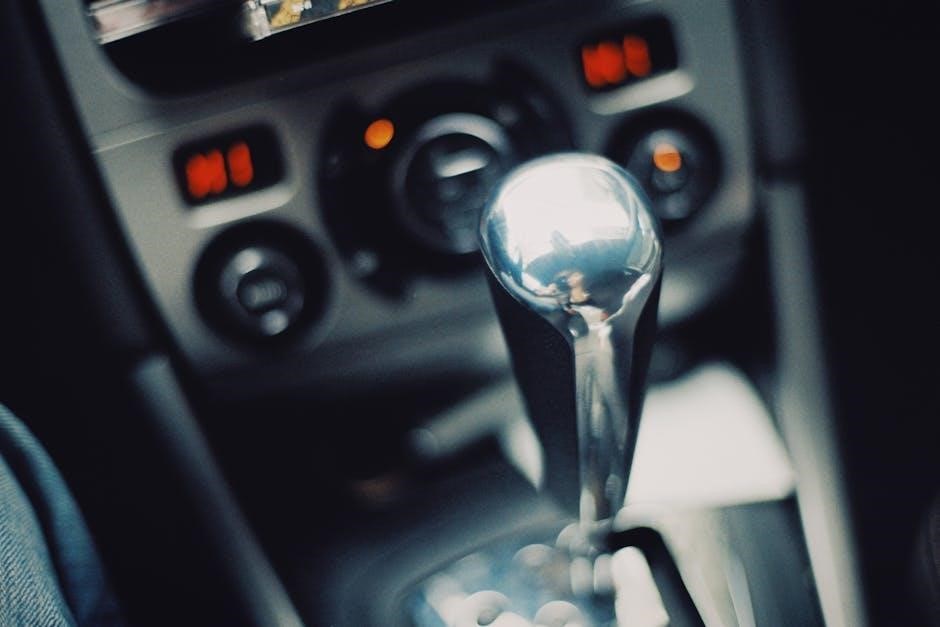
The Koenigsegg CC850’s gearbox is a fascinating evolution of the Light Speed Transmission (LST)‚ but with a distinctly retro twist. While retaining the core nine-speed automated manual functionality‚ it abandons the paddle shifters found in the Jesko.
Instead‚ the CC850 features a traditional gated shifter‚ reminiscent of classic sports cars. This shifter operates within a beautifully crafted metal gate‚ offering a tactile and engaging driving experience. However‚ this isn’t simply a cosmetic change; the shifter controls the LST’s gear selection.
The ingenious design allows the CC850 to be driven as a conventional manual‚ or in automatic mode. This dual functionality provides drivers with the best of both worlds – the nostalgia of a manual gearbox and the performance benefits of an automated system. It’s a truly unique approach to transmission control.
Celebrating Koenigsegg’s 20th anniversary‚ it’s a remarkable achievement.
How the CC850 Shifter Works
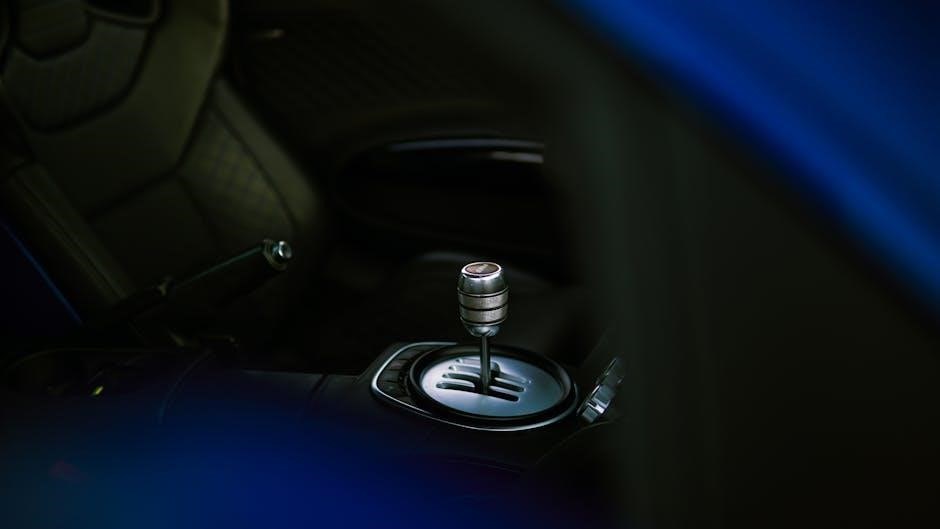
The CC850’s shifter isn’t a direct mechanical link to the transmission; it’s a sophisticated electronic interface controlling the Light Speed Transmission (LST). The gated shifter‚ while appearing traditional‚ doesn’t physically engage gears. Instead‚ it sends signals to the LST‚ instructing it to select the desired ratio.
This allows for two distinct driving modes: a fully automatic mode where the LST manages gear changes‚ and a manual mode where the driver controls the shifts via the shifter. The shifter’s gate pattern corresponds to the nine available gears‚ providing a familiar layout for enthusiasts.
The system’s cleverness lies in its ability to seamlessly switch between these modes. It’s a blend of classic aesthetics and cutting-edge technology‚ offering a unique and engaging driving experience. It’s a testament to Koenigsegg’s engineering prowess.
The reveal of the CC850 surprised the automotive world.
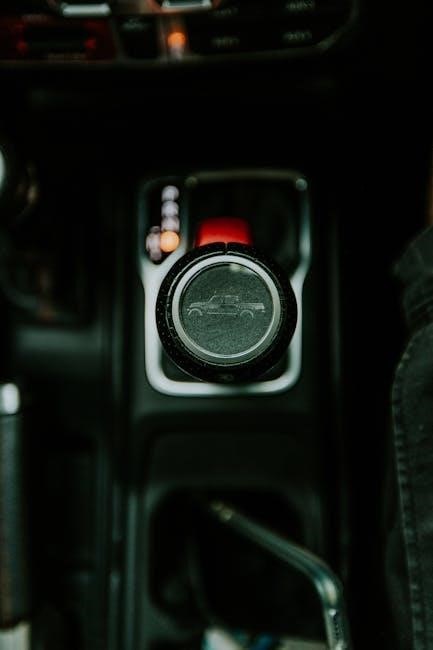
Why Manually Shift an Automatic?
Despite automatics’ convenience‚ manually shifting offers enhanced driver engagement‚ improved control‚ and a more connected feel to the vehicle’s performance capabilities.
Koenigsegg’s approach highlights the potential for a more immersive driving experience.
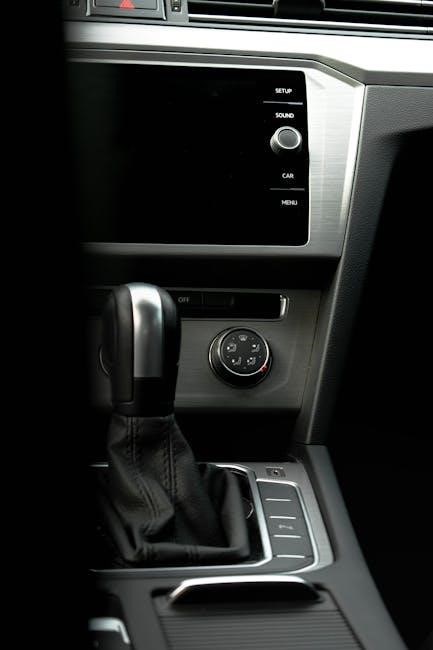
Enhanced Driver Engagement
For many driving enthusiasts‚ the act of shifting gears is intrinsically linked to the enjoyment of operating a vehicle. While automatic transmissions prioritize convenience‚ they can sometimes feel disconnected‚ removing the driver from the mechanical process. Manually shifting an automatic‚ however‚ bridges this gap‚ offering a level of control and involvement that standard automatic operation simply cannot match.
Koenigsegg’s CC850‚ with its unique gated shifter‚ exemplifies this principle. The absence of paddles and the return to a traditional shift pattern actively encourages driver participation. This isn’t merely about selecting gears; it’s about feeling the connection between input and response‚ fostering a more intimate relationship with the machine.
The deliberate act of choosing the right gear for a given situation – whether it’s downshifting for a corner or selecting a higher gear for efficient cruising – transforms driving from a passive experience into an active one‚ heightening awareness and overall enjoyment.
Improved Control and Performance
Beyond the enhanced engagement‚ manually shifting an automatic transmission can unlock a greater degree of control over the vehicle’s performance. While modern automatics are sophisticated‚ they sometimes lack the nuanced responsiveness a driver might desire in specific situations. Taking control allows for precise gear selection‚ optimizing engine output for acceleration‚ braking‚ or maintaining speed.
Systems like Koenigsegg’s LST‚ even in automated form‚ demonstrate the potential for performance gains through intelligent gear selection. By manually overriding the automatic programming‚ drivers can tailor the transmission’s behavior to their specific needs and driving style.
This is particularly valuable in dynamic driving scenarios‚ such as navigating winding roads or track driving‚ where precise gear control can translate directly into faster lap times and improved handling. It allows the driver to maintain the engine within its optimal power band‚ maximizing efficiency and responsiveness.
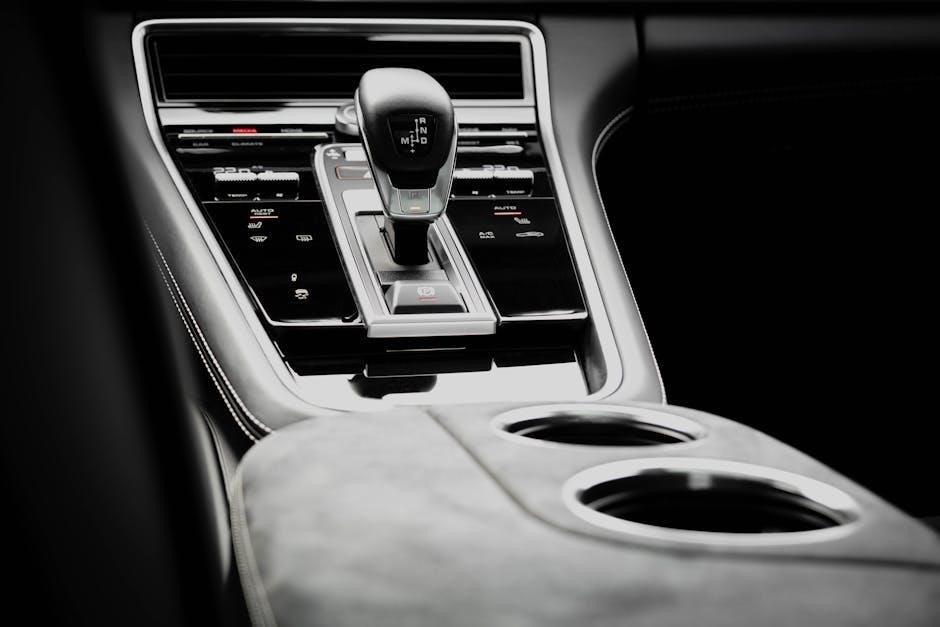
How Modern Automatics Allow Manual Control
Contemporary automatic transmissions now frequently incorporate features enabling drivers to manually select gears‚ bridging the gap between convenience and control.
Paddle shifters and systems like Tiptronic offer a direct interface‚ allowing for a more engaging and responsive driving experience.
Paddle Shifters Explained
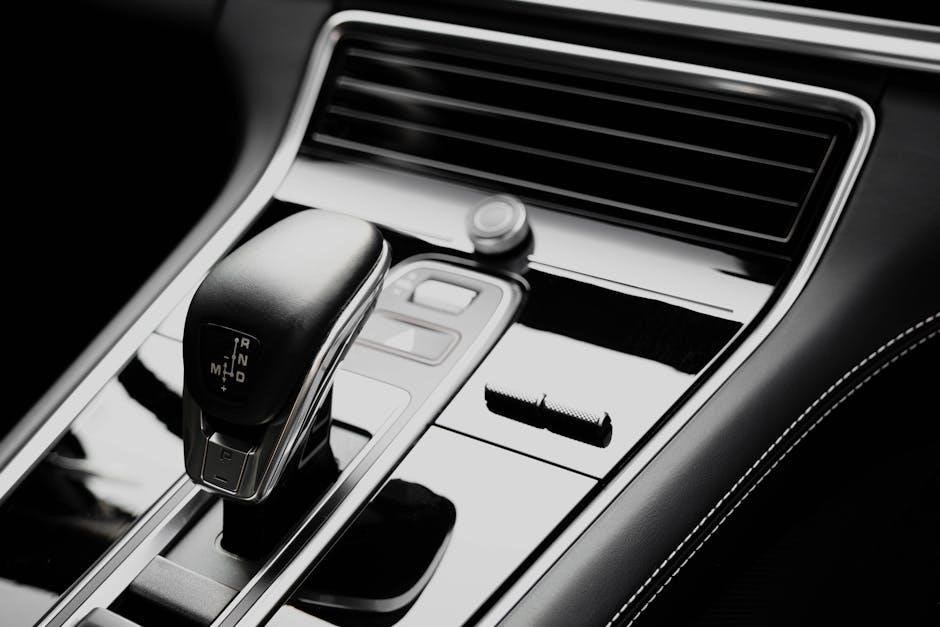
Paddle shifters‚ typically located behind the steering wheel‚ represent a popular method for drivers to manually control an automatic transmission.
These paddles directly communicate the driver’s intention to upshift or downshift‚ bypassing the automatic system’s default programming.
Pulling the right paddle generally initiates an upshift to a higher gear‚ while the left paddle prompts a downshift to a lower gear.
Unlike a traditional manual transmission‚ paddle shifters don’t require the driver to depress a clutch pedal; the transmission handles the actual gear changes.
The system often allows for full manual control‚ or a semi-automatic mode where the transmission will intervene to prevent stalling or over-revving.
Koenigsegg’s Light Speed Transmission (LST)‚ while initially controlled by paddles in the Jesko‚ demonstrates the evolution towards more unique manual control interfaces.
Paddle shifters provide a sporty and engaging driving experience‚ offering greater control over the vehicle’s performance and responsiveness.
Tiptronic and Similar Systems
Tiptronic‚ a term popularized by Porsche‚ describes a system allowing drivers to manually select gears in an automatic transmission‚ offering a blend of convenience and control.
Similar systems exist under various names across different manufacturers‚ such as “Autotrac” or simply “manual mode‚” all functioning on the same core principle.
These systems typically utilize either the standard gear selector lever‚ moved sequentially through the gear positions‚ or steering wheel-mounted paddles for gear changes.
Unlike a traditional automatic‚ Tiptronic allows the driver to override the automatic gear selection‚ choosing the optimal gear for specific driving conditions.
The transmission still manages the clutch operation and prevents potentially damaging shifts‚ ensuring a degree of automation remains present.
These systems enhance driver engagement‚ providing a more connected feel and allowing for greater control during spirited driving or challenging terrain.
Modern iterations often include features like automatic downshifting during braking‚ further refining the driving experience.

The Benefits of Learning to Manually Shift an Automatic
Mastering manual control of an automatic transmission unlocks greater vehicle mastery‚ offering enhanced driver engagement and improved control in diverse driving scenarios.
This skill proves invaluable during emergency situations‚ providing precise gear selection for optimal performance and safety.
Greater Vehicle Mastery
Taking control of gear selection‚ even in an automatic transmission‚ fundamentally alters the driving experience‚ fostering a deeper connection between driver and machine. While automatics traditionally handle shifting‚ the ability to manually intervene grants a level of mastery often absent in fully automated driving.
Koenigsegg’s CC850 exemplifies this‚ utilizing a gated shifter reminiscent of classic manual cars‚ yet operating an automated manual gearbox. This allows drivers to actively choose gears‚ influencing the car’s behavior and extracting maximum performance. It’s about understanding how the transmission impacts power delivery and utilizing that knowledge to optimize driving in various conditions.
This isn’t simply about speed; it’s about precision. Manual shifting allows for more deliberate control over engine braking‚ cornering‚ and acceleration‚ leading to a more refined and engaging driving experience. It’s a skill that elevates driving from a passive activity to an active‚ involved pursuit.
Emergency Situations and Control
In critical moments‚ the ability to manually override an automatic transmission can prove invaluable. While modern automatics are sophisticated‚ they aren’t always optimal in unpredictable scenarios. Downshifting manually provides enhanced engine braking‚ offering greater control during emergency stops or when navigating slippery conditions.
Imagine descending a steep hill – selecting a lower gear prevents the transmission from constantly hunting for the right ratio‚ maintaining a controlled speed. Or consider needing maximum acceleration for a quick maneuver; a manual downshift delivers immediate power‚ bypassing the automatic’s potentially slower response.
This level of control isn’t about routinely overriding the automatic; it’s about having the option when the situation demands it. It’s a safety net‚ providing a layer of security and responsiveness that a fully automated system might lack‚ especially in unexpected or challenging circumstances.
Licensing and Legal Considerations
Licensing requirements vary; an automatic license may not permit driving a manual car‚ necessitating an additional test. Manual transmission popularity is declining.
Legal regulations surrounding transmission types are evolving‚ impacting driver qualifications and vehicle operation.
Automatic vs. Manual Licenses
Historically‚ obtaining a driver’s license involved demonstrating proficiency with a manual transmission‚ effectively covering both automatic and manual vehicles. However‚ this paradigm has shifted significantly in many regions.
Today‚ many jurisdictions offer separate licenses specifically for automatic transmissions. Someone who learns to drive solely on an automatic and secures that license may find themselves legally restricted from operating a vehicle with a manual gearbox.
To legally drive a manual car in such cases‚ the driver would typically need to obtain an additional endorsement or even retake a full driving test focused on manual transmission operation.
This requirement stems from the fundamentally different skillset needed to operate a manual transmission‚ including clutch control‚ gear selection‚ and preventing stalling. The legal distinction acknowledges this difference and ensures drivers possess the necessary competence.
The declining popularity of manual transmissions has further fueled the rise of automatic-only licenses‚ as fewer drivers are learning to operate a manual gearbox.
The Declining Popularity of Manual Transmissions
Despite the enduring passion of some car enthusiasts‚ the manual transmission is facing a gradual decline in market share globally. Several factors contribute to this trend‚ reshaping the automotive landscape.
The rise of automatic transmissions‚ offering convenience and ease of use‚ has attracted a broader range of drivers‚ particularly in urban environments. This shift is amplified by advancements in automatic technology‚ delivering comparable performance and fuel efficiency.
Electrification is a significant driver‚ as electric vehicles typically don’t require multi-speed transmissions‚ further diminishing the demand for manuals.
Future autonomous technologies also point towards a reduced need for manual driver input‚ potentially rendering manual transmissions obsolete. Furthermore‚ a generational shift plays a role‚ with younger drivers showing less interest in learning manual skills.
Ultimately‚ the convenience and accessibility of automatic transmissions are proving increasingly appealing to the modern driver.
Future Trends in Transmission Technology
Electrification and autonomous driving are poised to revolutionize transmission technology‚ potentially diminishing the role of traditional gearboxes and manual control systems.
Innovation continues‚ but the future may prioritize efficiency and automation over driver engagement.
The Impact of Electrification
The rise of electric vehicles (EVs) presents a significant challenge to the traditional transmission as we know it. Electric motors deliver instant torque across a wide RPM range‚ reducing the necessity for multiple gears.
Many EVs utilize a single-speed transmission‚ simplifying the drivetrain and enhancing efficiency. This fundamentally alters the driving experience‚ removing the need for gear changes altogether.
However‚ some high-performance EVs are beginning to experiment with multi-speed transmissions to optimize efficiency at higher speeds and improve acceleration.
The shift towards electrification also impacts the relevance of manually shifting an automatic. As more vehicles transition to electric powertrains‚ the skills associated with traditional gearboxes may become less essential.
Ultimately‚ the future of transmissions in an electrified world remains uncertain‚ but it’s likely to prioritize efficiency and simplicity over the driver engagement offered by manual control.
Autonomous Driving and Transmission Evolution
The development of autonomous driving technology poses a profound question for the future of transmissions. In fully self-driving cars‚ the need for driver-controlled gear selection diminishes significantly‚ potentially rendering manual shifting obsolete.
Autonomous systems will likely optimize gear changes for maximum efficiency and performance‚ operating independently of driver input. This could lead to transmissions designed solely for algorithmic control‚ prioritizing seamless operation over driver engagement.
However‚ even in an autonomous future‚ sophisticated transmission systems will remain crucial for managing power delivery and optimizing vehicle dynamics.
The role of manual shifting‚ even in a limited capacity‚ might persist in enthusiast-focused autonomous vehicles‚ offering a “manual mode” for drivers who desire a more connected experience.
Ultimately‚ the evolution of transmissions will be inextricably linked to the advancement of autonomous driving‚ potentially leading to a divergence between utilitarian and enthusiast-oriented designs.