Post-Operative Instructions for Tooth Extraction: A Comprehensive Guide
Following a tooth extraction, proper care is crucial for swift healing and preventing complications. This guide details essential steps, from immediate post-op care to long-term maintenance, ensuring a comfortable recovery.
Understanding the Extraction Procedure
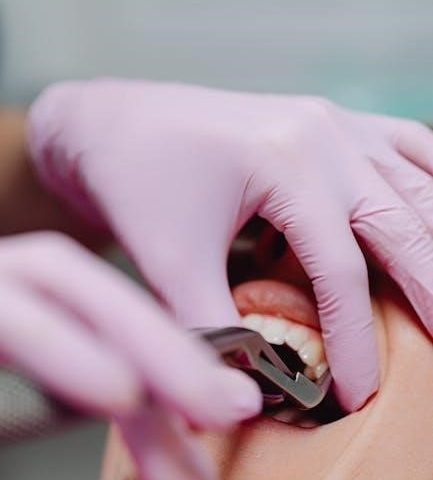
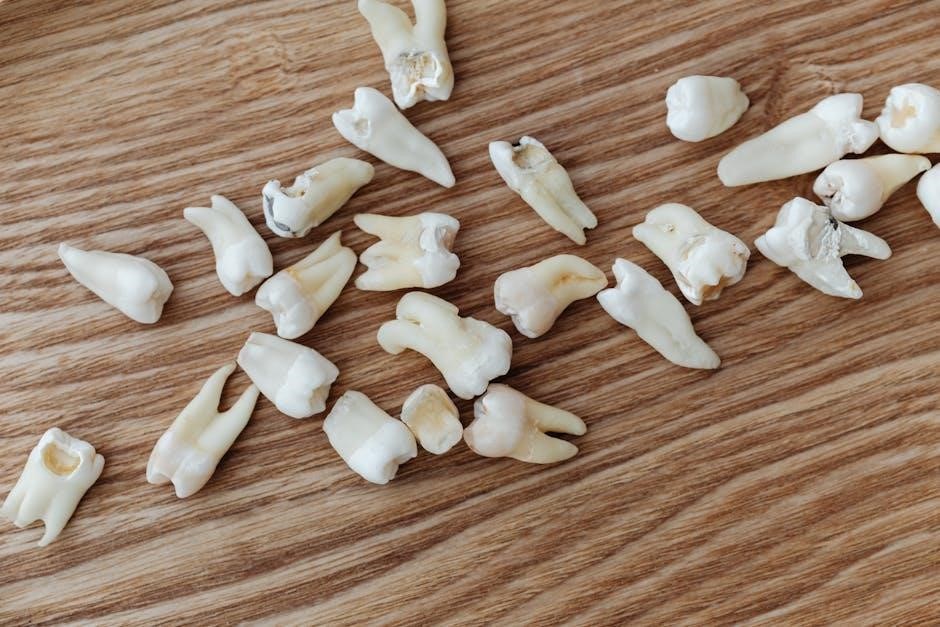
Tooth extraction, while common, is a surgical procedure involving the removal of a tooth from its socket. Dentists perform extractions when a tooth is severely damaged by decay, infection, or trauma, and cannot be repaired. Wisdom tooth extractions are frequently performed due to limited space and potential pressure on adjacent teeth, often causing pain and misalignment.
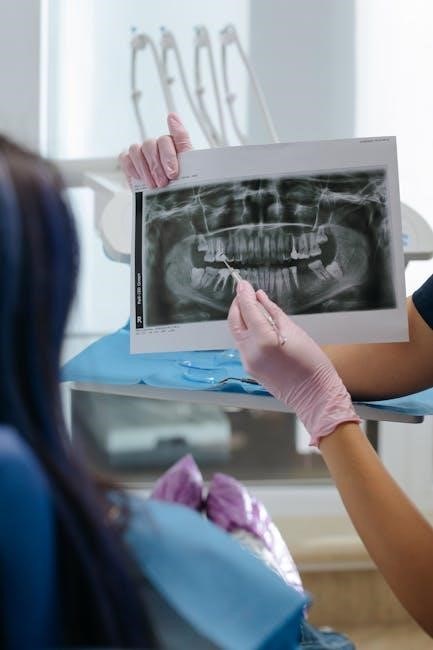
The procedure begins with a thorough examination and often includes X-rays to assess the tooth’s position and surrounding bone structure. Local anesthesia is typically administered to numb the area, ensuring patient comfort during the extraction. In some cases, particularly with impacted wisdom teeth, more extensive surgical techniques may be required, potentially involving sectioning the tooth for easier removal.
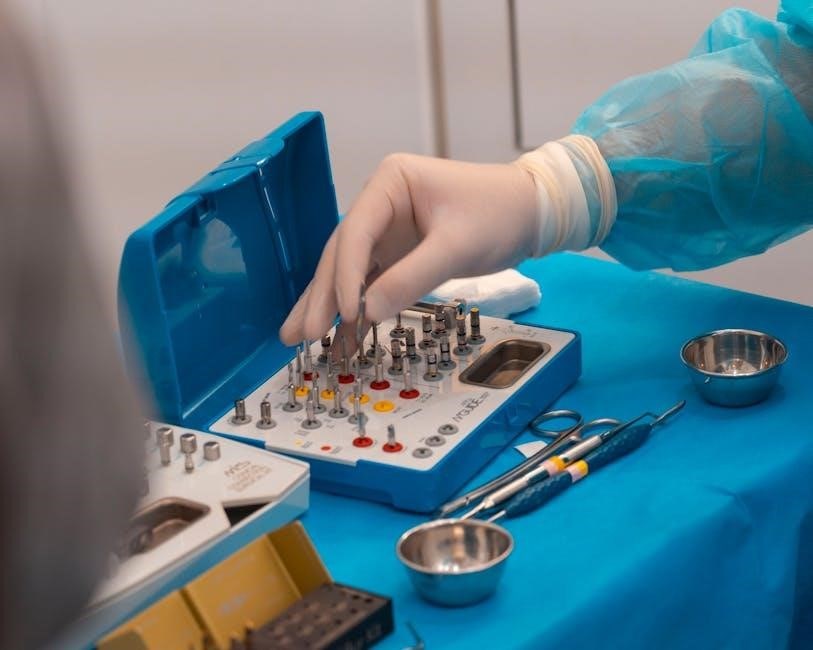
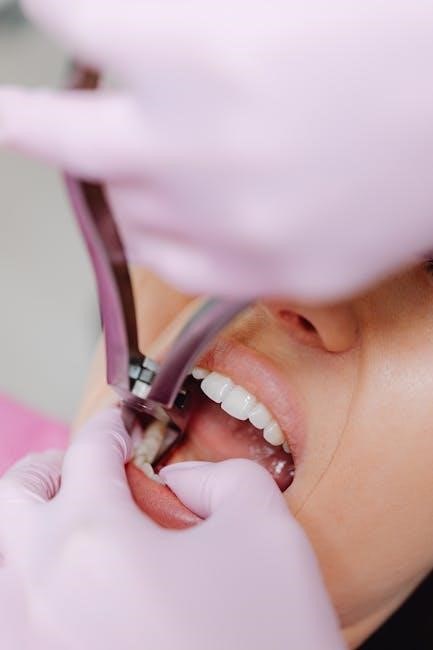
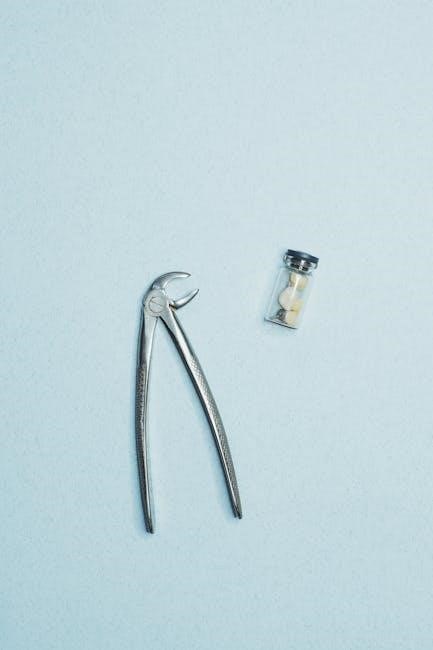
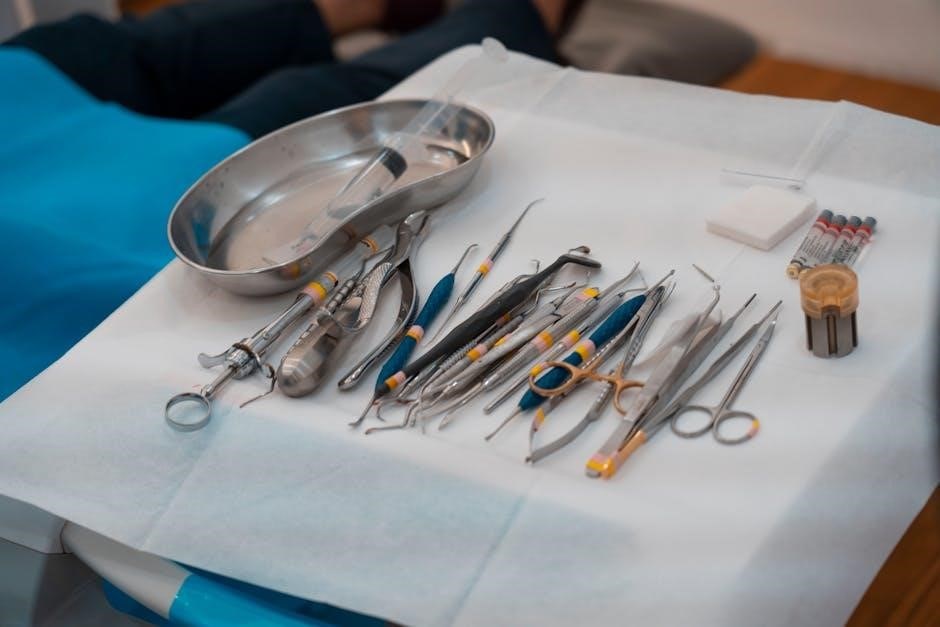
The dentist uses specialized tools, like tooth forceps, to gently loosen and remove the tooth. Following extraction, the socket is cleaned, and, if necessary, sutures are placed to promote healing and blood clot formation. Understanding these steps helps patients appreciate the care involved and prepare for a smooth recovery process. It’s a vital step towards resolving dental dilemmas and restoring oral health.
Immediate Post-Extraction Care (First 24 Hours)
The first 24 hours are critical for successful healing after a tooth extraction. Immediately following the procedure, a gauze pad should be firmly bitten down upon for 30-60 minutes to control bleeding. Change the gauze as needed until bleeding subsides. Avoid vigorous rinsing or spitting, as this can dislodge the blood clot, leading to a painful dry socket.
Rest is paramount. Limit physical activity and avoid strenuous exercise. Apply an ice pack to the outside of your cheek for 20 minutes on, 20 minutes off, to minimize swelling and discomfort. Medication, as prescribed by your dentist, should be taken as directed to manage pain and prevent infection.
During this initial period, stick to a liquid diet – water, broth, and clear juices are ideal. Avoid hot liquids and anything requiring chewing. Protect the extraction site by avoiding touching it with your tongue or any objects. Prioritizing these steps will significantly contribute to a complication-free recovery and optimal healing.
Managing Pain and Discomfort
Post-extraction discomfort is normal, but effectively managing it is key to a positive recovery. Your dentist will likely prescribe or recommend pain medication – follow the dosage instructions carefully. Over-the-counter pain relievers, such as ibuprofen or acetaminophen, can also be helpful, but consult your dentist before combining medications.
Alongside medication, applying ice packs to the cheek in 20-minute intervals can significantly reduce swelling and numb the area, alleviating pain. Gentle warm salt water rinses (after the first 24 hours) can also soothe the gums and promote healing. Avoid hard or crunchy foods that could irritate the extraction site.
Distraction techniques, like reading or watching movies, can also help shift your focus away from discomfort. If pain persists or worsens despite medication and home care, contact your dentist immediately. Addressing pain promptly ensures a more comfortable and efficient healing process, preventing potential complications.
Controlling Bleeding
Some bleeding is expected after a tooth extraction, but it should gradually subside. Immediately following the procedure, bite firmly on the gauze pad provided by your dentist for at least 30-60 minutes, applying consistent pressure. Replace the gauze if it becomes saturated, continuing pressure for another 30-60 minutes.
Avoid spitting, rinsing vigorously, or using straws for the first 24 hours, as these actions can dislodge the blood clot forming in the socket and restart bleeding. Gentle pressure is your ally; avoid disturbing the extraction site. If minor oozing persists, a moistened tea bag (black tea contains tannic acid, which aids clotting) can be gently applied to the area.
If bleeding is excessive, doesn’t stop after several hours, or is accompanied by fever or other concerning symptoms, contact your dentist immediately. Prolonged or heavy bleeding could indicate a complication requiring professional attention. Remember, a stable clot is vital for proper healing.
Dietary Recommendations: What to Eat and Avoid
Following a tooth extraction, your diet plays a crucial role in healing. For the first 24-48 hours, stick to soft foods that require minimal chewing. Excellent choices include yogurt, applesauce, mashed potatoes, smoothies (avoiding straws!), and broth-based soups. Ensure foods are lukewarm or cool, as hot temperatures can exacerbate discomfort and potentially disrupt the clot.
Avoid hard, crunchy, or chewy foods that could irritate the extraction site or dislodge the forming blood clot. This includes nuts, seeds, chips, steak, and sticky candies. Also, refrain from acidic foods and drinks like citrus juices or tomatoes, as they can cause pain and inflammation. Prioritize nutrient-rich foods to support your body’s healing process.
Gradually reintroduce more solid foods as your comfort level increases, but continue to avoid anything that causes pain or discomfort. Staying hydrated is also essential; drink plenty of water throughout the recovery period.
Oral Hygiene After Extraction
Maintaining good oral hygiene is vital, even immediately after a tooth extraction, but requires a gentle approach. For the first 24 hours, avoid brushing or rinsing vigorously near the extraction site. This prevents dislodging the blood clot, which is essential for healing. Instead, gently rinse your mouth with a saltwater solution (1/2 teaspoon salt in 8 ounces of warm water) after meals to keep the area clean.
After 24 hours, you can carefully resume brushing, but avoid the extraction site for the first few days. Continue gentle saltwater rinses several times a day, especially after eating. A chlorhexidine mouthwash, as recommended by your dentist, can also help prevent infection, but use it as directed.
Avoid mouthwashes containing alcohol, as they can irritate the wound. As healing progresses, you can gradually return to your regular oral hygiene routine, but always be gentle around the extraction site.
Swelling and Bruising: What to Expect
Some degree of swelling and bruising is a normal part of the healing process after a tooth extraction. It typically begins within the first 24-48 hours, peaking around day three, and gradually subsides over the next few days. The extent of swelling varies depending on the complexity of the extraction.
To minimize swelling, apply an ice pack to the outside of your cheek in 20-minute intervals for the first 48 hours. After that, warm compresses can be used to promote blood flow and reduce bruising. Bruising may appear on your face or neck, and is generally harmless, resolving within a week or two.
If swelling is excessive, accompanied by fever, or doesn’t improve after a few days, contact your dentist. Keeping your head elevated, even while sleeping, can also help reduce swelling. Remember, individual healing times vary, so patience is key.
Dry Socket: Prevention and Treatment
Dry socket, or alveolar osteitis, is a painful condition that can occur after a tooth extraction when the blood clot at the extraction site is dislodged prematurely, exposing the bone and nerves. It’s a relatively common complication, but preventable with diligent post-operative care.
Prevention is key: avoid vigorous rinsing, spitting, or using straws for the first 72 hours, as these actions create suction that can dislodge the clot. Refrain from smoking, as it impairs healing and increases the risk. Follow your dentist’s instructions carefully regarding diet and activity.
If dry socket develops, you’ll likely experience intense throbbing pain radiating from the extraction site, usually a few days after the procedure. Contact your dentist immediately. Treatment typically involves cleaning the socket and placing a medicated dressing to soothe the exposed nerves and promote healing. Pain medication will also be prescribed.
Infection Control and Warning Signs
Maintaining a clean extraction site is paramount to prevent infection. While your dentist may prescribe antibiotics, diligent oral hygiene remains crucial. Gently rinse with saltwater (warm water with ½ teaspoon of salt) after meals, starting 24 hours post-extraction, to keep the area clean without disturbing the clot.
Be vigilant for signs of infection: increasing pain and swelling after the first few days, persistent fever, pus or discharge from the extraction site, a foul taste in your mouth, or redness and warmth around the area. These symptoms warrant immediate attention from your dentist.
Avoid touching the extraction site with your fingers or tongue. Report any concerning symptoms promptly. Early detection and treatment of infection are vital to prevent complications and ensure proper healing. Following your dentist’s instructions regarding medication and hygiene is essential for a smooth recovery and minimizing infection risk.
Medication Management (Painkillers & Antibiotics)
Your dentist will likely prescribe or recommend pain medication to manage post-extraction discomfort. Follow the dosage instructions precisely, and do not exceed the recommended amount. Over-the-counter pain relievers, like ibuprofen or acetaminophen, may also be sufficient for milder pain – consult your dentist for guidance.
If antibiotics are prescribed, complete the entire course, even if you feel better, to ensure complete eradication of any potential infection. Skipping doses or stopping early can lead to antibiotic resistance and treatment failure. Be aware of potential side effects of both painkillers and antibiotics, such as nausea, drowsiness, or allergic reactions.
Inform your dentist of any existing medical conditions or medications you are taking before starting any new prescriptions. Avoid alcohol while taking painkillers or antibiotics, as it can interact negatively with these medications. Proper medication management is key to controlling pain, preventing infection, and facilitating a comfortable recovery.
Activity Restrictions: What to Avoid
Following tooth extraction, prioritize rest and limit strenuous activities for at least 24-72 hours. Intense physical exertion can increase blood pressure, potentially dislodging the blood clot forming in the extraction site and leading to a dry socket. Avoid activities like heavy lifting, vigorous exercise, and running.
Refrain from activities that require excessive mouth movements, such as playing wind instruments or speaking extensively. These can disrupt the healing process. Avoid spitting forcefully, as this creates negative pressure in the mouth and can also dislodge the clot. Gentle rinsing is preferred.
Do not probe the extraction site with your tongue or any objects, as this can introduce bacteria and hinder healing. Minimize bending over and lying flat, as this can increase blood flow to the head and potentially worsen bleeding. Listen to your body and gradually resume normal activities as your comfort level allows, always consulting your dentist if you have concerns.
Smoking and Alcohol: Impact on Healing

Both smoking and alcohol consumption significantly impede the tooth extraction healing process and are strongly discouraged post-operatively. Smoking reduces blood flow to the gums, hindering the formation of a stable blood clot – essential for proper healing and preventing dry socket. Nicotine also compromises the immune system, increasing the risk of infection.

Alcohol interferes with medication effectiveness, particularly painkillers and antibiotics prescribed by your dentist. It can also thin the blood, potentially prolonging bleeding and disrupting clot formation. Furthermore, alcohol’s dehydrating effects can slow down overall recovery.
Ideally, abstain from smoking for at least 72 hours, and preferably longer, after the extraction. Complete avoidance for the first week is highly recommended. Similarly, avoid alcohol consumption for at least 24 hours, or ideally, until you have completed your course of antibiotics (if prescribed). Prioritizing a smoke-free and alcohol-free recovery significantly improves outcomes and minimizes complications.
Potential Complications and When to Seek Help
While most tooth extractions are routine, potential complications can arise. Recognizing these and knowing when to seek professional help is crucial for a smooth recovery. Common issues include prolonged bleeding, excessive swelling, and increasing pain despite medication;
Dry socket (alveolar osteitis), a painful condition occurring when the blood clot dislodges, requires immediate dental attention. Signs include intense throbbing pain radiating from the extraction site, usually several days post-procedure. Infection, characterized by fever, pus, redness, and worsening pain, also demands prompt treatment.
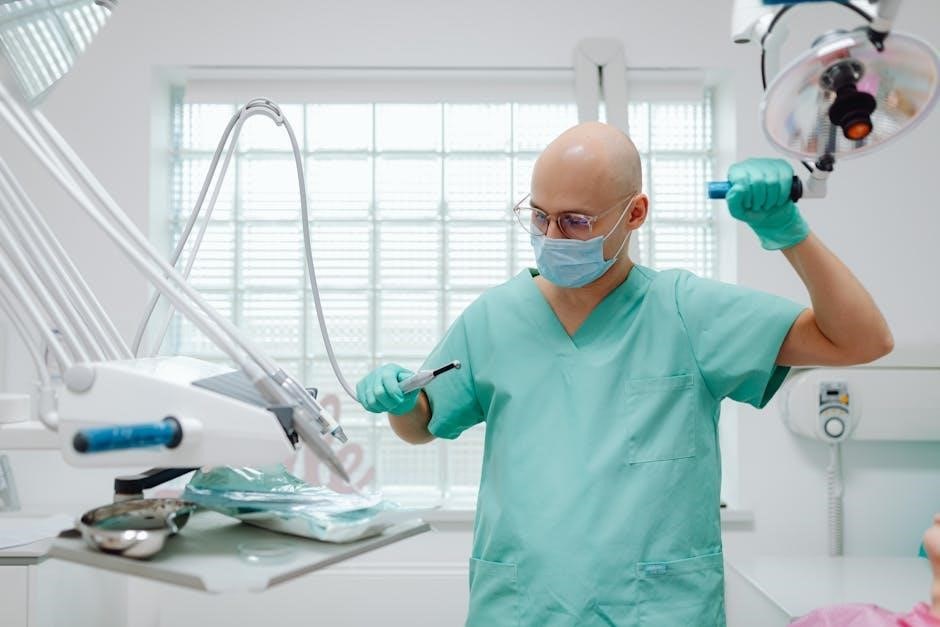
Contact your dentist immediately if you experience uncontrollable bleeding lasting longer than 12-24 hours, severe pain not relieved by prescribed medication, difficulty breathing or swallowing, signs of infection, or any unusual symptoms. Don’t hesitate to seek help – early intervention can prevent minor complications from escalating into serious problems. Ignoring warning signs can jeopardize your healing process.
Long-Term Care and Follow-Up Appointments
Successful long-term healing after a tooth extraction relies on consistent oral hygiene and adherence to follow-up care. Maintaining a gentle, yet thorough, oral hygiene routine is paramount. Continue brushing and flossing, carefully avoiding the extraction site initially, then gradually incorporating it as healing progresses.
Follow-up appointments are essential to monitor healing and address any potential concerns. Your dentist will assess the extraction site, ensuring proper bone remodeling and tissue regeneration. These appointments allow for early detection of complications like infection or delayed healing, enabling timely intervention.
Consider the implications of the missing tooth. Discuss options for tooth replacement with your dentist, such as implants, bridges, or partial dentures, to prevent shifting of adjacent teeth and maintain proper bite alignment. Proactive long-term care safeguards your overall oral health and ensures a lasting, positive outcome following extraction.
Wound Care and Sutures (If Applicable)
Proper wound care is vital for optimal healing following a tooth extraction. Immediately after the procedure, a gauze pad will be placed over the extraction site to control bleeding. Replace this gauze every 30-45 minutes, or as directed by your dentist, until bleeding subsides.
Sutures (stitches) may be placed to promote healing and minimize movement. These are typically dissolvable and will disappear on their own within 7-14 days. Avoid disturbing the sutures, as this can disrupt the healing process and potentially cause infection.
Keep the area clean by gently rinsing your mouth with warm salt water (1/2 teaspoon salt in 8 ounces of water) several times a day, especially after meals. Avoid vigorous rinsing or spitting, as this can dislodge the blood clot. Monitor for signs of infection, such as increased pain, swelling, redness, or pus, and contact your dentist immediately if any occur.
Maintaining Overall Health for Optimal Healing
A robust immune system significantly aids in post-extraction healing. Prioritize a nutritious diet rich in vitamins and minerals, particularly Vitamin C and zinc, to support tissue repair and immune function. Ensure adequate protein intake for rebuilding damaged tissues.
Stay well-hydrated by drinking plenty of water throughout the day. Proper hydration helps maintain saliva production, which naturally cleanses the mouth and promotes healing. Sufficient rest is also crucial; allow your body the time it needs to recover without overexertion.
Manage stress levels as stress can suppress the immune system. Engage in relaxing activities like gentle walks or meditation. Avoid strenuous activity for at least 24-48 hours post-extraction. If you have underlying health conditions, such as diabetes, ensure they are well-controlled to optimize your body’s healing capabilities.